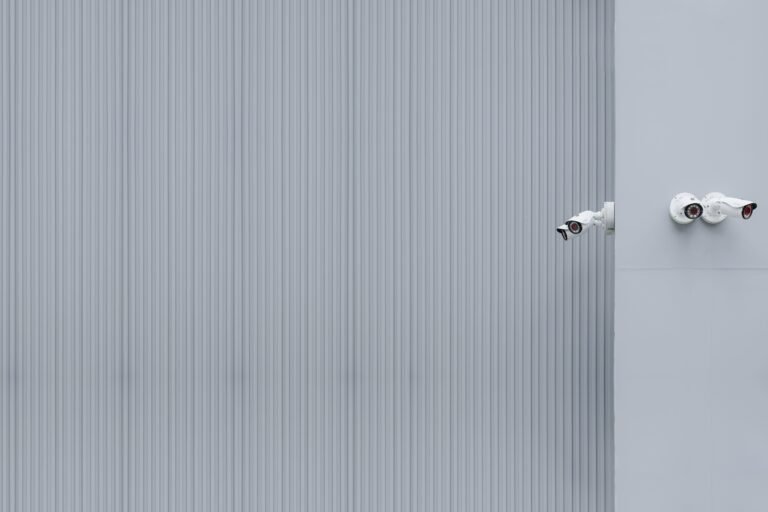

Security cameras help deter crime, document incidents, and improve visibility across a property. Their value depends on more than camera resolution or storage capacity. Placement, configuration, and installation quality determine whether a system captures useful footage when an incident occurs.
Many security gaps appear after installation because of avoidable mistakes. Property owners often discover them only after reviewing footage from a theft, break-in, or vandalism event.
Installing Cameras Too High or Too Low
Camera height affects image quality and identification accuracy.
A camera mounted too high may capture a wide area but fail to record facial details. A camera placed too low can become an easy target for vandalism or obstruction.
For entrances, exits, loading zones, and reception areas, installers should balance coverage and identification. The goal is to capture clear images of people while maintaining visibility of the surrounding area.
Ignoring Blind Spots
Many properties have surveillance systems that appear complete at first glance. After a security assessment, uncovered areas often become obvious.
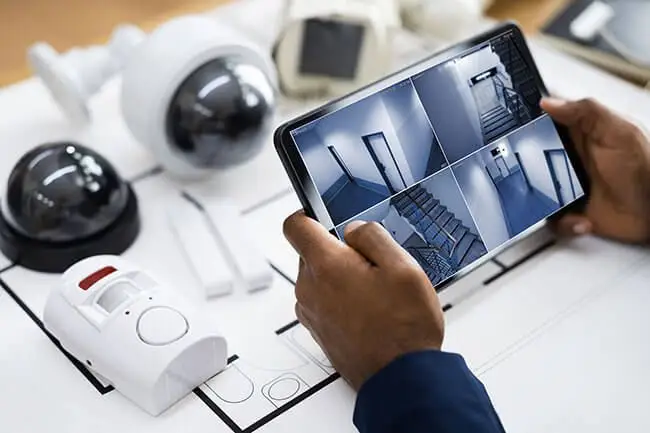
Common blind spots include:
- Building corners
- Side entrances
- Stairwells
- Parking lot exits
- Storage yards
- Delivery zones
Every camera should support a specific security objective. Random placement often leaves gaps between fields of view.
Choosing the Wrong Camera for the Environment
Different environments require different camera types.
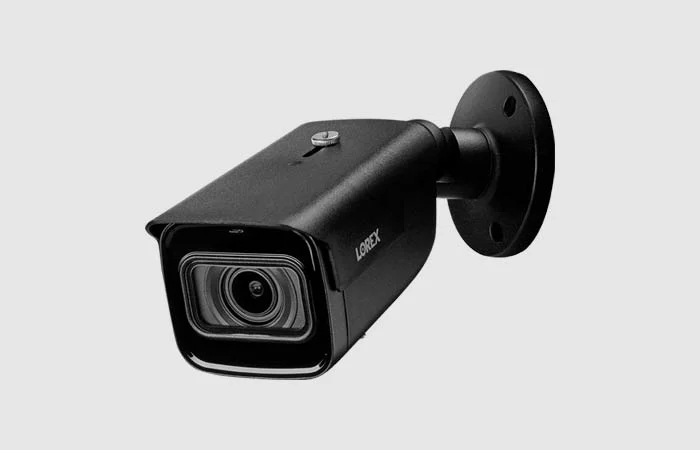
Outdoor cameras must withstand rain, dust, heat, and freezing temperatures. Warehouses often need long-range monitoring. Office environments may benefit from wide-angle cameras that cover larger areas with fewer devices.
When selecting cameras, consider:
- Lighting conditions
- Viewing distance
- Weather exposure
- Required image detail
- Operating temperature range
A camera designed for indoor use may fail quickly when exposed to outdoor conditions.
Poor Lighting Assessment
Many installation projects focus on daytime visibility and overlook nighttime performance.
Backlighting from windows, vehicle headlights, and direct sunlight can reduce image clarity. Low-light areas create grainy footage that makes identification difficult.
Before installation, review camera views during different times of day. This approach helps identify lighting challenges before equipment placement becomes permanent.
Failing to Secure Network Infrastructure
Modern surveillance systems rely heavily on network connectivity.
Weak passwords, outdated firmware, and unsecured remote access settings create opportunities for unauthorized access.
A secure deployment should include:
- Strong administrator credentials
- Multi-factor authentication when available
- Regular firmware updates
- Encrypted remote connections
- Restricted user permissions
Network security deserves the same attention as physical security.
Using Insufficient Storage Capacity
Many organizations underestimate how much storage video surveillance requires.
Recording resolution, frame rate, camera count, and retention policies all influence storage consumption. A system with ten cameras recording continuously can fill available storage much faster than expected.
Before installation, calculate storage requirements based on operational needs and compliance requirements. Some businesses need footage retained for only a few days, while others must store recordings for several months.
Neglecting Cable Protection
Damaged cabling causes signal loss, intermittent outages, and expensive troubleshooting.
Outdoor cables face exposure to moisture, sunlight, temperature changes, and accidental impact. Poorly protected connections often become the weakest point in the system.
Installers should route cables through protective conduits where necessary and shield critical connections from environmental exposure.
Skipping Camera Testing After Installation
A surveillance system should undergo testing before project completion.
Testing verifies:
- Camera angles
- Image quality
- Night vision performance
- Motion detection accuracy
- Recording functionality
- Remote access reliability
Small adjustments made during testing can prevent major coverage problems later.
Overlooking Future Expansion
Businesses grow, facilities change, and security requirements evolve.
An installation designed only for current needs may require significant upgrades within a few years. Additional cameras, expanded storage, and increased network capacity often become necessary as operations expand.
Planning for future growth during the initial installation usually costs less than redesigning the entire system later.
Hiring Based Only on Price
Low installation costs can lead to expensive corrections.
Some contractors reduce project costs by using lower-grade components, skipping testing procedures, or minimizing installation time. The result may include coverage gaps, unreliable recordings, and higher maintenance expenses.
When evaluating installation providers, review their experience, certifications, project portfolio, and support services alongside pricing.
Final Thoughts
Most surveillance failures stem from planning and installation issues rather than equipment defects. Proper camera placement, secure network configuration, adequate storage, and thorough testing help ensure that footage remains usable when an incident occurs. A system that records clear evidence during a critical event provides far greater value than one that simply records video.