
A standard camera shows you that a car came and went. A license plate recognition camera tells you which car — by reading the plate, logging it, and acting on it automatically. That shift from passive recording to active identification is what makes LPR (also called ANPR, automatic number plate recognition) so useful for parking facilities, gated communities, and industrial yards. But LPR only delivers when it’s specified and placed correctly, because reading a moving plate is harder than it looks. Here’s how it works and where it earns its keep, from a New York integrator who installs it.
How License Plate Recognition Works
An LPR system pairs a specialized camera with software that detects a plate in the frame, isolates it, and converts the characters into readable, searchable text. The key word is specialized: a general security camera usually can’t do this reliably. LPR cameras are tuned for the task:
- Fast shutter: freezes a moving vehicle without blur.
- Lens and angle: chosen to catch plates cleanly in a specific lane.
- Infrared: reads plates in the dark, where a normal camera would be blinded by headlights.
The result is a system that doesn’t just record a car but captures its plate as a piece of data you can match, log, and trigger actions on.
Use Cases
LPR shines wherever knowing the specific vehicle matters.
Parking lots and garages
In parking facilities, LPR logs every vehicle entering and leaving by plate and timestamp, which supports everything from tracking how long a car stayed to flagging vehicles that shouldn’t be there. It creates a searchable record that’s far more useful than scrubbing through footage when you need to find a specific car.
Gated communities (whitelist entry)
This is where LPR feels almost magical to residents. With a whitelist of approved plates, the system reads an arriving resident’s plate and opens the gate automatically — no fob, no code, no stopping. Visitors and unknown plates are handled separately, and every entry is logged. It’s convenience and a security record in one.
Picture a gated condo community in Queens: residents’ plates sit on a whitelist, so the gate lifts as they roll up, while a guest or delivery driver with an unlisted plate is routed to an intercom call to the unit. Every arrival — resident, guest, or unknown — is logged with a plate image, giving the board a frictionless entry for residents and a complete, searchable record at the same time.
Industrial yards
For yards, depots, and loading facilities, LPR logs trucks and vehicles automatically, creating an accurate record of what came in and out and when — useful for security, accountability, and sorting out disputes after the fact.

LPR Is a Specialist, Not a Replacement
One point worth setting straight: an LPR camera is a specialist, not a substitute for your general security cameras. It’s optimized to read plates in a narrow lane at a choke point, which is a different job from giving you a broad overview of the lot, the entrance, or the people coming and going.
The two work together — LPR identifies and logs vehicles where they slow down, while standard cameras cover the wider scene and the foot traffic. A good design uses each for what it does best, rather than expecting plate cameras to watch everything or hoping a general camera will reliably read plates it was never built for.
What Affects Accuracy
LPR is only as good as the conditions you give it, and accuracy is where a careless install disappoints. Several factors matter:
- Vehicle speed: plates have to be captured fast enough to avoid blur, which is why dedicated LPR cameras use high shutter speeds and why placement at slow points like a gate helps.
- Capture angle: a plate read close to straight-on reads far better than one caught at a steep angle, so the camera has to be positioned for the lane it covers.
- Lighting: glare, deep shadow, and headlights at night all challenge a camera, which is why purpose-built LPR units handle infrared and bright light deliberately.
- The plate itself: a dirty, damaged, or unusual plate is harder to read than a clean standard one.
Get the placement and the right camera, and accuracy is strong; treat LPR like a generic camera, and it won’t deliver.
Integrating LPR With Access Control and Gates
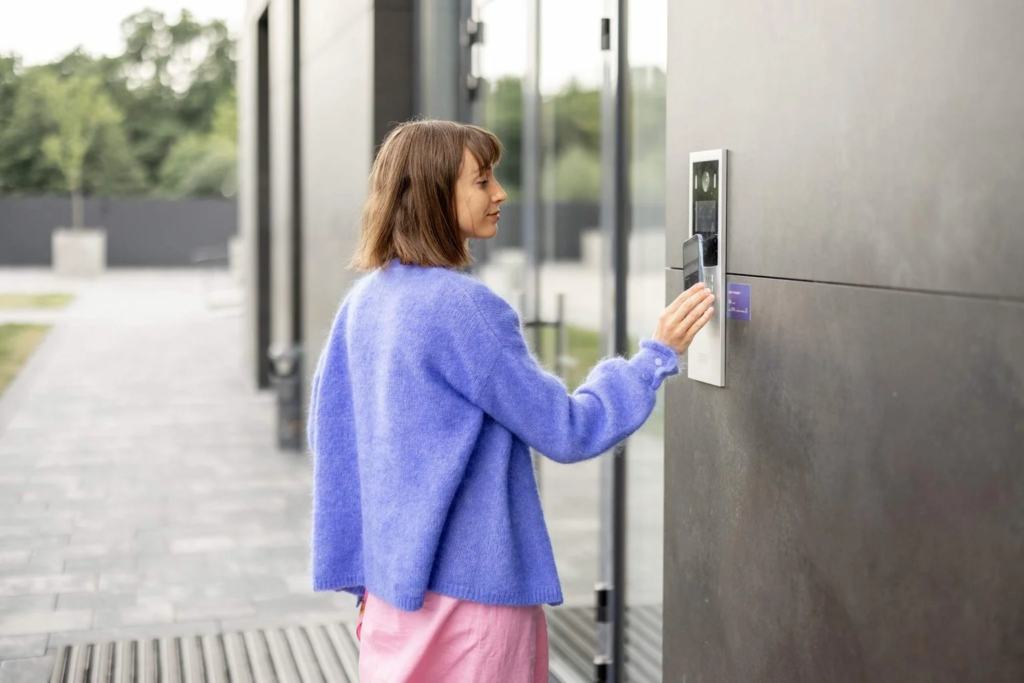
LPR is most powerful when it doesn’t just watch but acts. Tied into a gate or barrier, a recognized plate can trigger entry on its own — the foundation of whitelist access for a community or a staff lot.
Linked to access control, plate events become part of the same system that manages fobs and mobile credentials, so vehicle entry and door entry live in one place with one log. Each event is stored with the plate image, giving you a clear, searchable record. This integration is what turns LPR from a clever camera into a working access tool.
Privacy and Data Considerations
Plate data is still data, and it deserves to be handled thoughtfully. That means setting a retention policy rather than keeping plate logs forever, limiting who can access the records, and using the data for its intended security purpose.
In a residential setting, being transparent with residents about what’s collected and why builds trust and avoids surprises. Treating LPR records with the same care you’d give any sensitive information keeps a useful tool from becoming a liability. This is general guidance rather than legal advice, and specific obligations can vary, so it’s worth confirming what applies to your situation.
How 4Wires Deploys LPR
LPR rewards getting the details right — the right camera, the right angle, the right integration. 4Wires Communications designs and installs license plate recognition across the New York metro, working with professional camera lines that handle LPR, and we plan placement around your lanes, speeds, and lighting so plates actually read. We tie the system into your gates and access control, set up the logging and whitelists you need, and build in sensible data handling. The result is a system that recognizes the right vehicles and records the rest.
Considering LPR for your lot, community, or yard? Learn more about our security camera installation services, or reach out for a free on-site assessment.