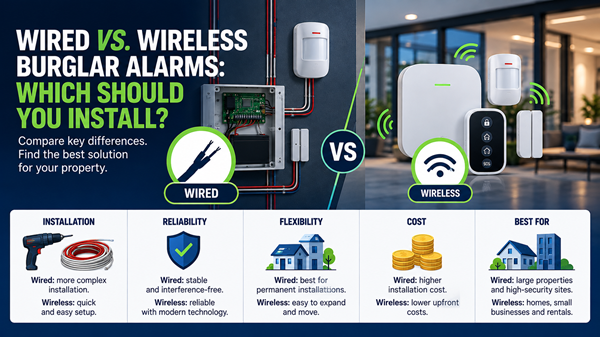

An alarm that only makes noise is half a system. The siren might scare off an intruder, but if no one is watching the signal, nobody is coming. Central station monitoring is the other half — the people and process that turn a tripped sensor into an actual response, around the clock, whether you’re asleep, away, or your business is closed for the weekend.
Most owners never think about what happens in the seconds after an alarm fires, or about where the people handling it are sitting. Both matter more than you’d expect. Here’s how central station monitoring works, and why a local New York station beats a distant one, from an integrator who monitors systems across the city.
What a Central Monitoring Station Does
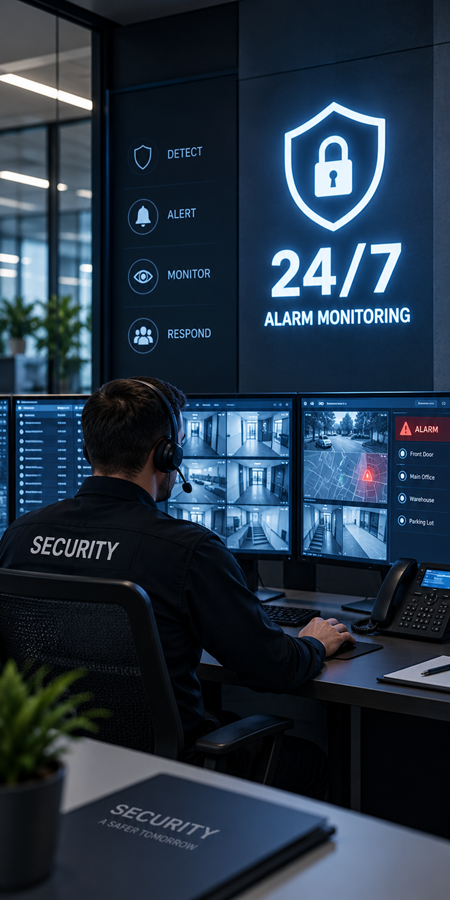
A central monitoring station is a staffed facility that watches your alarm system every hour of every day. When a sensor trips — a door forced, glass broken, motion where there shouldn’t be — your panel sends a signal to the station, and a trained operator takes over from there.
The station’s job isn’t just to hear the alarm; it’s to act on it: confirm what’s happening as best they can, dispatch the right responders, and notify you and your contacts. Without that staffed station behind it, even the best alarm hardware is just a loud noise no one is responsible for answering. The monitoring is what makes it a response.
The Alarm-to-Response Chain, Step by Step
From trip to dispatch, a monitored alarm moves through a clear sequence, usually in well under a minute:
- Signal sent: the sensor trips and your panel transmits an alarm signal to the central station over its connection — typically cellular or internet, with backups.
- Operator receives it: the signal lands at the staffed station and is presented to an operator with your account details and the specific zone that fired.
- Verification: the operator works to confirm whether it’s real — calling the premises, checking for a passcode, and using any video or additional sensors tied to the account.
- Dispatch: if it’s a genuine alarm, the operator initiates dispatch to the appropriate authorities — police for an intrusion, fire for a fire signal.
- You’re notified: the station contacts you and your designated people, so you know what happened and can respond.
Every link in that chain depends on the station being staffed, fast, and competent — which is why who’s doing the monitoring matters as much as the alarm itself.
UL-Listed Monitoring: What the Standard Means
When a central station is UL-listed, it has been certified against rigorous standards for its facility, equipment, staffing, and procedures. It’s an independent benchmark that the station is built and run to handle alarm signals reliably — redundant power, hardened infrastructure, and trained operators rather than a back room with a phone.
For a building owner, a UL-listed station is a meaningful signal of quality. It tells you the monitoring meets a recognized bar for reliability and response, and it’s frequently expected for insurance and, for fire systems in particular, required as part of compliant monitoring. It’s one of the first things worth confirming about any provider.
Local vs. Out-of-State Monitoring
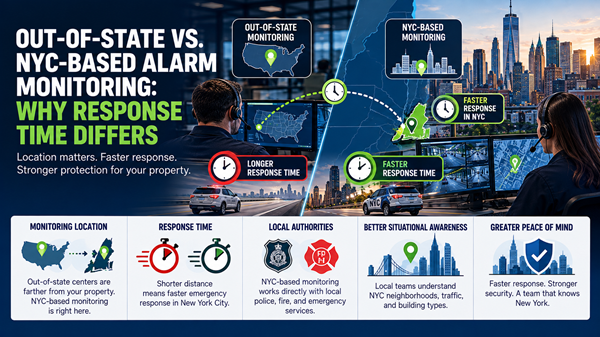
Not all central stations are nearby. Many national alarm companies route signals to a single large facility hundreds or thousands of miles away, handling accounts across the entire country from one room. It works, but distance costs you in ways that show up exactly when you need the system most.
A local New York station brings advantages a distant one can’t: operators who know the boroughs, understand local dispatch protocols, and can relay accurate, useful information to responders. When an alarm fires at 3 a.m., the difference between an operator who recognizes your neighborhood and one reading an unfamiliar address off a screen is real. That gap is worth a closer look — and it’s the whole subject of how response time differs between out-of-state and NYC-based monitoring.
Verified Alarms and Reducing False Dispatches
A large share of alarm activations are false — a propped door, a user mistake, a pet. That’s a problem, because repeated false dispatches waste responders’ time and can cost you in city fines. Verification is how a good station cuts that down: before sending anyone, the operator works to confirm the alarm is real.
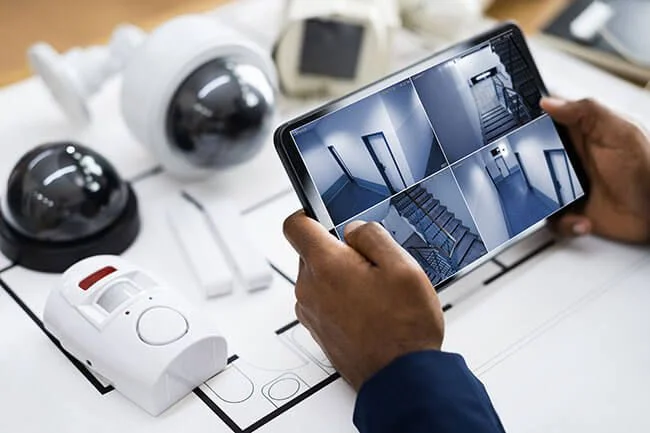
Modern verified-alarm methods make this sharper. When the station can check live video of the triggered area or read multiple sensors together, they can tell a genuine break-in from a false trip far more reliably — and a verified alarm often earns a faster, higher-priority response from police. Good verification protects both your response time and your record with the city.
What to Look For in a Monitoring Provider
Not all monitoring is equal, and a few questions separate a strong provider from a cheap one:
- UL-listed station: confirm the monitoring center is UL-listed, not just a budget answering service.
- Local or local-savvy: ask where your signals are actually handled and whether operators know the New York area and its dispatch protocols.
- Verification practices: ask how they confirm alarms before dispatch, and whether they support video or other verification on your account.
- Redundancy: backup power and communication paths so the station keeps working through outages.
- Responsiveness to you: clear contact procedures so you’re informed quickly when something happens.
The cheapest monitoring is rarely the best value when it’s your property and your response on the line.
How 4Wires Monitors Locally in NY
An alarm is only as good as the people watching it. 4Wires Communications installs and monitors security systems across the New York metro, connecting your alarm to a UL-listed central station with the local knowledge and verification practices that make a response fast and accurate — not a signal disappearing into a call center far from your building. We design the system, set up the monitoring, and make sure the chain from tripped sensor to dispatch actually works for your property.
Want monitoring that knows your city? Learn more about our alarm and security system services, or reach out for a free on-site assessment.