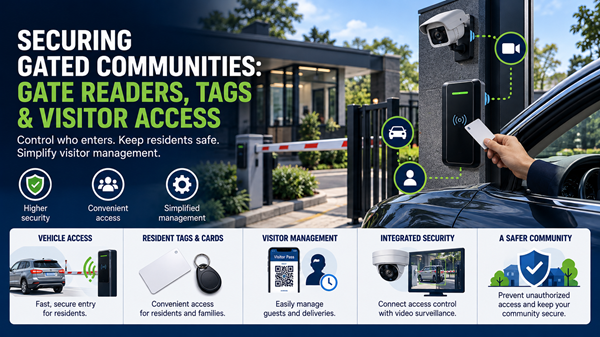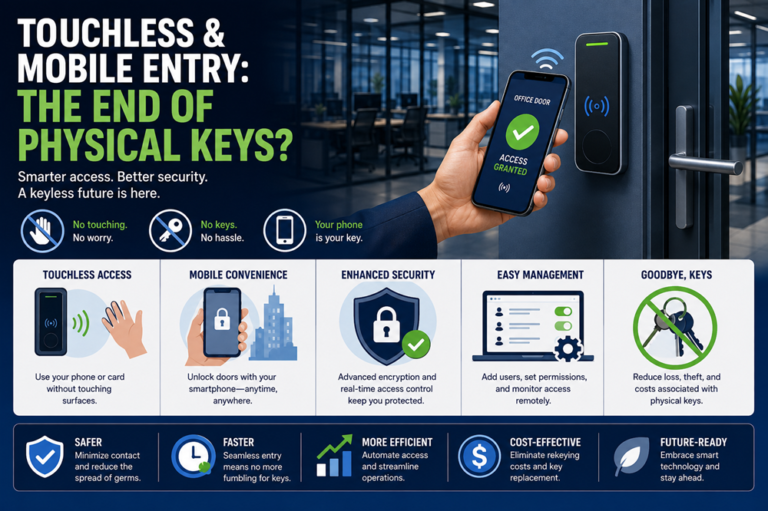

Plenty of businesses run access control and security cameras side by side and never connect them. The doors log who badged in; the cameras record the lobby — but they live in separate apps that don’t talk to each other. When something goes wrong, someone ends up cross-referencing a door log against hours of video by hand.
Tie the two together and they stop being separate tools. Your cameras and your access control become one system, where every door event carries its own video and every alert comes with a picture. Here’s why that integration is worth doing, from a New York integrator who builds unified systems across the city.
What Integration Actually Means
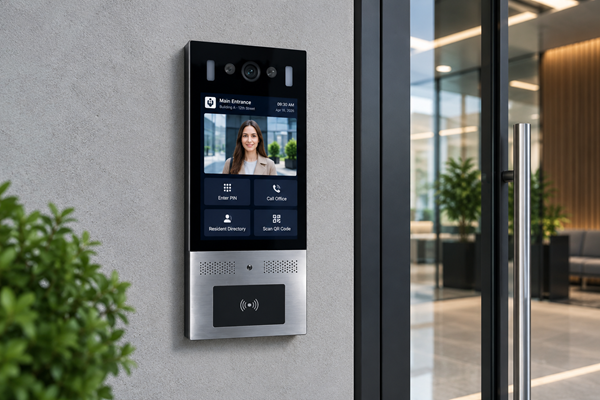
Integration links your access control platform and your camera system so that an action at a door is tied to the footage of it. When a credential opens a door — or is denied, or a door is forced — the system stamps that event against the camera covering it, so the two records line up automatically.
In practice, you stop juggling two interfaces. Instead of scrubbing video to find the moment a door opened, you click the access event and the matching clip is right there. The door knows what happened; the camera shows it; the integration is what puts them on the same screen.
What Linking the Two Systems Buys You
The payoff shows up the moment you need to know not just that a door opened, but who opened it and how:
- Video verification of access events: every badge-in, denied attempt, or forced door comes with footage, so a credential used by the wrong person is obvious instead of invisible.
- Faster investigations: when you can jump straight from a door event to its clip, reviewing an incident takes minutes instead of an afternoon of scrubbing video.
- Unified alerts and dashboard: one platform shows access and video together, so a door-forced alarm arrives with a live image attached rather than a line in a separate log.
- Stronger deterrence and forensics: a visible camera at every controlled door discourages misuse, and when something does happen, the paired record is far more useful to a manager, a board, or the authorities.
Each of these is possible with separate systems and a lot of manual effort. Integration is what makes them automatic.
A Real Example: Matching an Alert to the Footage
Picture a Manhattan office at 2:14 a.m. A back door registers a forced-entry event. In separate systems, that’s an alert in the access log and, somewhere, a few seconds buried in 8 hours of overnight recording that someone has to go find.
With the two integrated, the same alert arrives with the clip attached — the exact moment the door was forced, ready to view. A manager confirms in seconds whether it’s a real break-in or a stuck door, and if it’s real, the footage is already tied to the event for the report. That speed is the whole point: the system doesn’t just tell you something happened, it shows you.
What You Need to Integrate (Compatibility)
The main requirement is that the systems are designed to work together — either from the same platform, or through supported integration between your access control and camera brands. This is exactly why it pays to plan integration up front rather than bolt it on: choosing compatible systems from the start is far cleaner than forcing two products that were never meant to connect.
If you already own cameras and access control, they may still integrate depending on the platforms involved; if they don’t, the fix is usually upgrading one side rather than both. An integrator can tell you quickly whether your current gear can be unified or what it would take — which is a better question to ask before you buy than after.
How 4Wires Unifies Access and Video
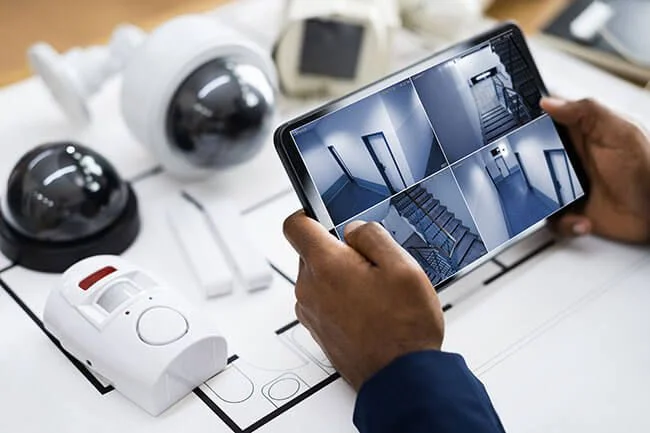
The value of integration is in the design — choosing systems that work together and configuring them so every door event and its footage land on one screen. 4Wires Communications designs and installs unified access control and camera systems across the New York metro, working with platforms like Keri and professional camera lines, so your two systems run as one. Whether you’re starting fresh or connecting what you already own, we build it to make the right footage one click from every door.
Want your cameras and access control working as a single system? Learn more about our access control installation services, or reach out for a free on-site assessment.